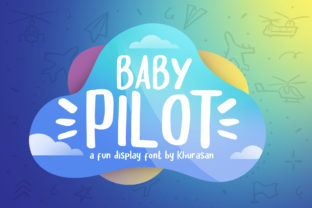
Baby Pilot: A Friendly and Unique Display Font
Baby Pilot, a cute and casual font, brings an incredibly friendly feel to any digital project. As a web designer or UI creator, you can leverage this gorgeous and unique display font to enhance the visual appeal and readability of your designs.
Enhancing Website Headers with Baby Pilot
When it comes to website headers, Baby Pilot is a perfect choice for creating a welcoming and engaging first impression. Its playful yet clean design makes it ideal for headers that need to stand out and set the tone for the rest of the page. Use Baby Pilot in your hero sections to draw visitors in with its charming personality.
Boosting Landing Page Conversions with Baby Pilot
For landing pages, the goal is to convert visitors into customers. Baby Pilot's unique and friendly style can help achieve this by making call-to-action (CTA) areas more appealing and inviting. Whether it's a button text or a short, impactful phrase, Baby Pilot can add a touch of personality that encourages users to take action.
Creating Engaging Online Shop Banners with Baby Pilot
Online shop banners are crucial for promoting products and sales. Baby Pilot's distinctive and approachable style can make these banners more eye-catching and memorable. Use Baby Pilot to highlight special offers, new arrivals, or seasonal promotions, and watch as your banner stands out in a crowded e-commerce landscape.
Designing Blog Graphics with Baby Pilot
Blog graphics, such as featured images and infographics, benefit greatly from the use of Baby Pilot. This font's casual and friendly nature can make blog titles and headings more engaging, encouraging readers to delve deeper into your content. Pair Baby Pilot with a simple sans serif font for body text to maintain readability while adding a creative touch.
Using Baby Pilot for Creative Portfolio Websites
A creative portfolio website needs to showcase your work in the best light. Baby Pilot's unique and friendly style can help you create a portfolio that feels personal and inviting. Use Baby Pilot for section headings, project titles, and even as part of your logo to give your portfolio a cohesive and memorable look.
Optimizing Readability on Mobile Screens with Baby Pilot
Mobile screens present a unique challenge for readability. Baby Pilot, with its clear and legible design, can be used effectively on mobile devices. For smaller screens, consider using Baby Pilot in larger sizes for headings and short phrases to ensure that the text remains readable and visually appealing.
Pairing Baby Pilot with Other Fonts for Web Design
To create a balanced and professional design, pair Baby Pilot with other fonts. For example, use a simple sans serif font like Arial or Helvetica for body text to complement Baby Pilot's decorative style. This combination ensures that your design is both visually interesting and easy to read, maintaining a strong brand identity.
Commercial Licensing and Usage of Baby Pilot
When using Baby Pilot for commercial projects, it's important to check the licensing details. Ensure that you have the appropriate license for using the font in websites, client projects, online stores, and digital templates. This will help you avoid any legal issues and ensure that your brand assets are fully compliant.
Incorporating Baby Pilot in Digital Brand Kits
A digital brand kit is essential for maintaining a consistent and professional online presence. Include Baby Pilot in your brand kit to ensure that all your digital assets, from social media graphics to email newsletters, have a cohesive and friendly look. This consistency helps build brand trust and recognition.
Final Considerations for Using Baby Pilot in Web Design
Before incorporating Baby Pilot into your web design, consider the file formats, webfont availability, and multilingual support. These factors can impact the overall usability and accessibility of your design. By carefully selecting and using Baby Pilot, you can create a visually stunning and user-friendly digital experience.